
A refrigerator is one of the few appliances that never gets a break. It runs day and night to keep food fresh, so even a small drop in cooling performance becomes noticeable. You may find drinks taking longer to chill or ingredients spoiling before their expiration date.
If you’re dealing with a refrigerator that is not cooling, don’t panic. The problem isn’t always a failed compressor or an expensive repair. In many cases, the cause is something simple that can be checked at home within a few minutes.
This article covers the most common reasons a refrigerator stops cooling, what you can check yourself, and when it’s time to call a professional.
How To Tell If Your Refrigerator Is Actually Not Cooling
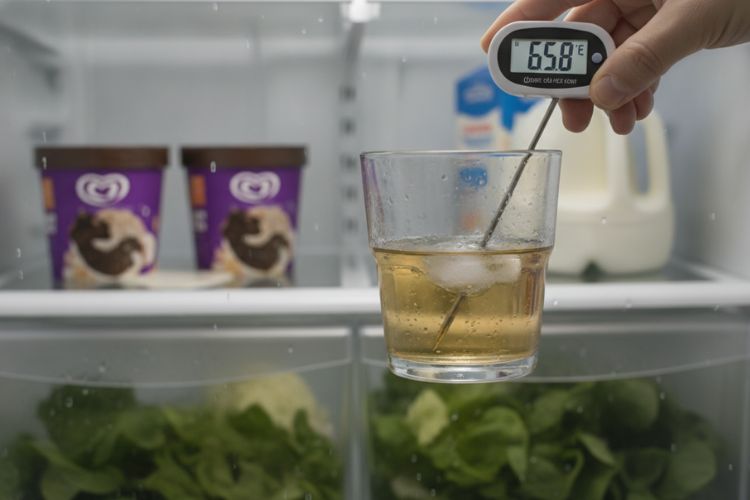
Before searching for the cause, make sure the refrigerator is actually running warmer than it should. The ideal temperature for the fresh food compartment is between 37°F and 40°F, while the freezer should stay close to 0°F.
The rapid deterioration of food, the inability to freeze things sufficiently hard, or liquids failing to cool all point towards a problem with your refrigerator. When this happens over a period of more than a few hours, you can be fairly certain that there really is a problem.
A refrigerator thermometer can help confirm the temperature. It’s also worth checking that the power cord is secure, the circuit breaker hasn’t tripped, and the temperature settings haven’t been changed accidentally. Sometimes the simplest explanation is the correct one.
Top 10 Reasons Your Refrigerator Is Not Cooling
A refrigerator depends on several components working together. If one part stops doing its job, the entire cooling system can be affected. Start with the easiest possibilities before assuming the appliance needs major repairs.
Incorrect Temperature Settings
Temperature controls are easy to change without noticing. They may be bumped while cleaning shelves or storing large grocery bags. Even a slight adjustment can leave the refrigerator not cold enough to keep food at a safe temperature.
Check the thermostat or digital display and reset it if needed. After making changes, give the refrigerator about 24 hours to stabilize before checking the temperature again.
Dirty Condenser Coils
Condenser coils remove heat from the refrigerator. As dust, pet hair, and debris collect on them, the appliance becomes less efficient because the heat can’t escape as easily.
Cleaning the coils every six months is usually enough for most homes. If you have pets, you may need to clean them more often. This simple job improves efficiency and is an important part of regular Home Appliance Maintenance that can also reduce unnecessary strain on the compressor.
Blocked Air Vents
Cold air must move freely throughout the refrigerator to maintain an even temperature. When containers or large food packages block the vents, certain areas stay warmer while others become colder.
Have you recently stocked up on groceries? Take a quick look inside and make sure nothing is covering the air vents. Simply rearranging food can restore proper airflow and fix a fridge cooling problem without replacing any parts.
Faulty Door Seal
The rubber seal that surrounds the door of the fridge prevents warm air from entering it. Once it cracks, loosens, or gets dirty, warm air will be drawn inside each time the compressor starts.
Do a paper test and close the door on the piece of paper; now try to remove it. It will slide out effortlessly when the rubber seal needs to be looked after. Often, a thorough cleaning is sufficient; if it is worn out, replacement is easy.
Overloaded Refrigerator
Packing the refrigerator full might seem like the best way to store groceries, but it can actually reduce cooling performance. Cold air needs space to circulate between food items.
If your refrigerator fails to be adequately cool in some parts, take out some of those bulky items and create some spaces in between the items. Better airflow often improves cooling within a short time. If your fridge stopped cooling after a large grocery trip, overcrowding is one of the first things worth checking before looking for more complicated faults.
Frost Buildup On The Evaporator Coils
A light coating of frost is expected during normal operation. Thick ice covering the evaporator coils is a different story because it blocks the flow of cold air. As a result, the freezer may still seem cold while the refrigerator compartment starts warming up.
If your refrigerator requires manual defrosting, unplug it and let the ice melt completely before restarting it. When the frost comes back within a few days, the defrost system should be inspected because one of its components may have failed.
Evaporator Fan Not Working
Once the air is cooled, the evaporator fan distributes it throughout the refrigerator. If the fan stops working, cold air stays in one area instead of reaching every shelf.
A failing fan often makes grinding or rattling sounds before it stops completely. In some cases, it stays silent even though the compressor continues running. If your fridge stopped cooling but the freezer still seems normal, the evaporator fan is worth checking.
Condenser Fan Problems
The function of the condenser fan is to keep the compressor cool by drawing away heat from the machine. This will not be possible in case there is dust or debris in the fan or when the motor is faulty.
Before you carry out an inspection of the fan, ensure that it is disconnected from the power source. Clean any dirt on the blades and see whether the fan rotates easily.
Compressor Failure
The compressor pumps refrigerant through the cooling system. Without it, the refrigerator cannot maintain the proper temperature. A failing compressor often causes a refrigerator not to cool issue that gradually becomes worse.
You may hear repeated clicking sounds, notice excessive heat around the compressor, or find that it runs continuously without cooling properly. Because compressors are part of the sealed system, repairs are best handled by experienced technicians.
Faulty Thermostat Or Control Board
The thermostat tells the refrigerator when to start and stop cooling. In newer models, the electronic control board manages many of these functions automatically.
If either part fails, the cooling cycle may not operate correctly even though the refrigerator still has power. Diagnosing electrical components requires proper testing equipment, making this one of the repairs that is usually left to a professional.
Refrigerator Troubleshooting Checklist
Before arranging a repair, spend a few minutes checking the basics. Many cooling issues are caused by simple problems that can be fixed without replacing any parts.
- Confirm the refrigerator has power.
- Check the temperature settings.
- Make sure food isn’t blocking the air vents.
- Clean dust from the condenser coils.
- Inspect the door seal for cracks or gaps.
- Listen for unusual sounds from the compressor or fans.
- Wait several hours after changing the settings before checking the temperature again.
If everything looks normal and the refrigerator is still warm, the problem is likely inside the cooling system.
When Should You Call A Professional?
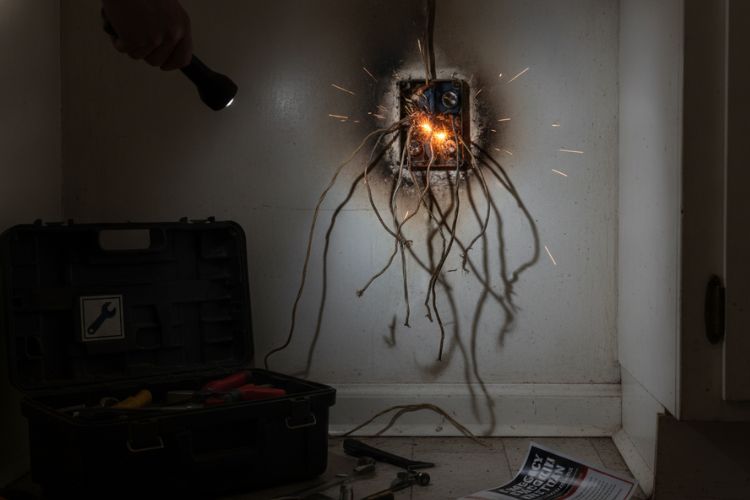
Basic troubleshooting won’t solve every problem. If the refrigerator still isn’t cooling after completing the checks above, or you suspect a refrigerant leak, compressor failure, or electrical issue, it’s time to contact appliance repair services.
There are trained technicians who can examine any parts that cannot be examined from your house. Early fixes can save you from further damage and save some money because it is less expensive than fixing the broken appliance.
Tips To Prevent Future Cooling Problems
Most refrigerators last longer when they receive a little routine care. Cleaning the condenser coils, keeping the air vents clear, and checking the door gasket every few months can make a noticeable difference.
Avoid placing hot food directly into the refrigerator because it raises the internal temperature and forces the cooling system to work harder. Leaving a little space between food containers also helps cold air circulate evenly, reducing the chance of another fridge cooling problem.
Conclusion
A refrigerator not cooling can be frustrating, but it doesn’t always point to a major breakdown. Many problems begin with simple issues such as blocked airflow, dirty coils, or incorrect settings that are easy to fix.
Take a few minutes to work through the basic checks before assuming the appliance needs replacing. If the cooling problem continues, professional diagnosis is the safest way to restore reliable performance and avoid more expensive repairs later.
FAQs
What makes my fridge work without becoming cold?
The problem can lie in the fact that although the compressor is working, there is some other part that does not allow the fridge to cool down.
Can cleaning the condenser coils improve cooling?
Yes. Removing dust and debris helps the refrigerator release heat more efficiently, allowing it to maintain the correct temperature.
How long should I unplug my refrigerator to reset it?
For a basic reset, unplug it for about 5 to 10 minutes. If you’re defrosting ice buildup, leave it unplugged until all the frost has melted.
Should I repair or replace a refrigerator that isn’t cooling?
The answer depends on the appliance’s age and the repair cost. Smaller repairs are usually worthwhile, while major sealed system repairs may not be economical on older units.
Why is my freezer working, but the refrigerator is warm?
This often happens when the evaporator fan isn’t circulating cold air, the air vents are blocked, or frost has built up around the evaporator coils.