
It’s easy to ignore a flickering light or a breaker that trips once in a while. Most people assume it’s a small inconvenience and move on. But electrical systems rarely develop serious faults overnight. They usually give small warnings first.
The difficult part is knowing which problems can wait and which ones need immediate attention. Recognizing the signs you need an electrician can help protect your home, your appliances, and everyone living there.
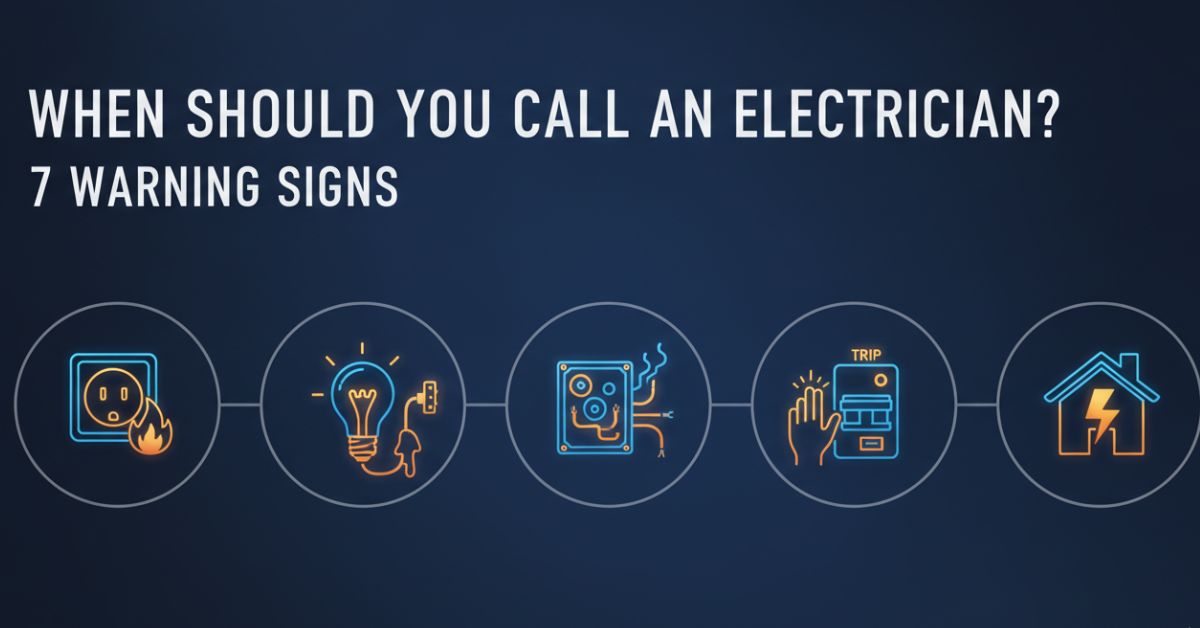
This blog covers seven warning signs that deserve a closer look. Some may have simple causes, while others point to faults that should only be handled by a qualified electrician.
Why Electrical Problems Should Never Be Ignored?
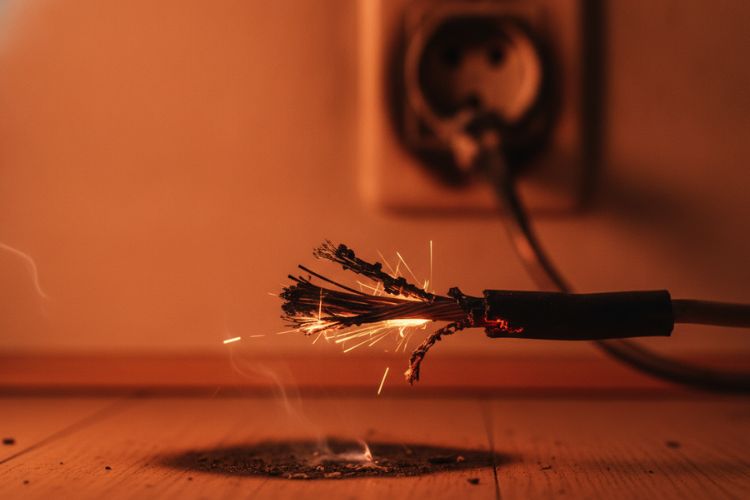
A loose wire behind a wall isn’t something you can see every day. Instead, the electrical system often tells you something is wrong through unusual behavior. The lights dim for no reason. Switches become warm. Breakers keep shutting off the power.
These warning signs of electrical issues aren’t just annoying. They often mean that part of your electrical system is under stress. Leaving them unchecked increases the risk of damaged appliances, unexpected power failures, and in some cases, electrical fires.
Routine inspections and good Home Appliance Maintenance also play a role in preventing electrical faults. Appliances that are damaged or poorly maintained can place extra demand on household circuits over time.
7 Warning Signs You Should Call An Electrician
Not every electrical fault looks dramatic. Some develop so slowly that they’re easy to overlook until they interrupt daily life. Paying attention to these electrical warning signs in the house can help you deal with the problem before it becomes more expensive to repair.
Your Circuit Breaker Has Become Part Of Your Routine
Think about how often you reset your breaker panel. If you’re doing it every few days or every week, something isn’t working as it should.
Circuit breakers are designed to stop electricity when they detect a fault. They aren’t meant to be used like a regular switch. Frequent trips are one of the clearest signs you need an electrician because they usually point to overloaded circuits, failing breakers, or wiring problems that need proper testing.
Certain Lights Never Stay Steady
Does one room always seem dimmer than the rest? Do lights flicker whenever someone uses the microwave or turns on the air conditioner?
Small changes like these often suggest the circuit is struggling to handle the electrical load. While replacing the bulb is worth trying first, recurring flickering is one of the most common home electrical problems that deserves professional attention.
Something Smells Hot, But You Can’t Find The Source
Electrical problems don’t always make noise. Sometimes the first clue is an unusual burning smell near an outlet, switch, or breaker panel.
That smell should never be ignored. Turn off the power to the affected area if it’s safe to do so and avoid using the outlet until it’s been inspected. Among all the warning signs of electrical issues, this is one that requires quick action.
An Outlet Feels Warm Every Time You Use It
Outlets should remain cool during normal use. If one consistently feels warm or leaves small scorch marks around the faceplate, heat is building up where it shouldn’t.
The cause may be a loose connection, damaged wiring, or an overloaded outlet. These electrical warning signs in the house often develop gradually, which is why they’re easy to miss until the damage becomes more serious.
You Hear Buzzing From Switches Or The Electrical Panel
Electricity should work quietly. Apart from the normal click of a switch, you shouldn’t hear humming, buzzing, or crackling sounds coming from outlets, switches, or the breaker panel.
A loose wire or a failing electrical component is often behind these noises. Even if everything still seems to work, don’t assume the problem will go away on its own. These are strong signs you need an electrician because hidden electrical faults usually get worse over time.
Some Outlets Suddenly Stop Working
It’s frustrating to plug in your phone charger or coffee maker and realize the outlet has stopped working. While a tripped GFCI outlet can sometimes be the cause, dead outlets without an obvious reason should be inspected.
If multiple outlets stop working or the same problem keeps coming back, there may be a fault inside the circuit. This is one of those home electrical problems that shouldn’t be solved by guessing or replacing outlets without proper testing.
Your Home Still Has Old Wiring
Many older homes still rely on electrical systems that were installed decades ago. They were built for a time when households used far fewer electrical devices than they do today.
If your home has outdated wiring, fabric-insulated cables, or two-prong outlets, it may no longer meet today’s electrical demands. This is another of the important signs you need an electrician, especially if you’ve recently added large appliances or completed a home renovation.
What To Do Before The Electrician Arrives
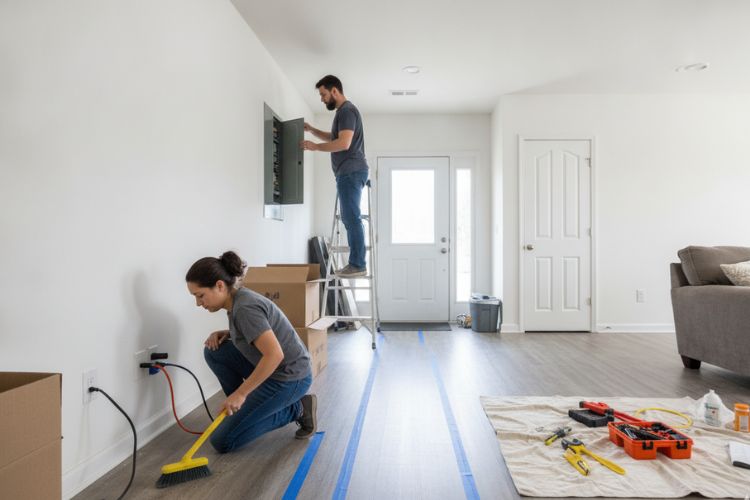
If you notice one of these warning signs, avoid trying to investigate behind walls or inside the electrical panel yourself. Even a simple mistake can create a serious safety risk.
If it’s safe, switch off the power to the affected circuit and unplug nearby appliances. Make a note of what you noticed, such as flickering lights, unusual smells, or the time the breaker tripped. These details can help the electrician find the cause more quickly.
Can You Fix These Electrical Problems Yourself?
There are a few electrical jobs that most homeowners can handle safely, such as replacing a light bulb, resetting a tripped breaker once, or changing batteries in smoke detectors.
Anything involving wiring, outlets, breaker panels, or repeated electrical faults is different. If you’re unsure when to call an electrician, a simple rule is this. If the repair requires opening electrical connections or you’re unable to identify the cause safely, it’s best to leave it to a professional.
How To Reduce The Risk Of Electrical Problems?
Electrical systems last longer when they aren’t constantly under strain. Avoid plugging too many high-powered appliances into one outlet, replace damaged extension cords, and don’t ignore small problems just because the power still works.
It also helps to arrange periodic inspections, particularly in older homes. If you notice recurring issues or want to upgrade your electrical system, a qualified electrical repair service can identify worn components before they become a safety concern.
Conclusion
Electrical faults rarely disappear on their own. More often, they become easier to notice because the damage continues to grow. Paying attention to unusual sounds, warm outlets, or breakers that trip repeatedly gives you the chance to deal with the issue before it turns into a costly repair.
If you’re still unsure when to call an electrician, a professional inspection can give you clear answers. Mr. Fix It Appliance Repair helps homeowners and businesses diagnose wiring faults, power issues, and other electrical concerns, making it easier to resolve problems before they lead to more extensive repairs.
FAQs
How can I tell if an electrical issue is dangerous?
Burning smells, sparks, buzzing sounds, repeated breaker trips, and warm outlets should all be treated as warning signs that need professional attention.
Is it normal for a breaker to trip once?
Yes. A breaker may trip if a circuit is temporarily overloaded. If it keeps happening without an obvious reason, the system should be inspected.
Why do my lights flicker only when large appliances are running?
This may indicate that the circuit is overloaded or there’s a loose electrical connection affecting the power supply.
Can old wiring increase the risk of electrical fires?
Yes. Older wiring can wear out over time and may not be designed to support modern electrical demands, increasing the chance of overheating.
How often should my home’s electrical system be inspected?
A general inspection every few years is a good idea, especially if your home is older, you’ve completed renovations, or you’ve noticed recurring electrical issues.